Your dog limped in this morning, your cat stopped eating two days ago, and you need more than a best guess from your veterinarian. At Pathways Animal Hospital, our team uses in-house diagnostic imaging to look beyond the surface and find real answers during your visit. Digital x-rays and ultrasound give us detailed views of bones, organs, and soft tissue without sending you elsewhere or making you wait. You leave with a clear picture of your pet’s condition and a care plan grounded in what we actually see.
Diagnostic Imaging
Why Some Conditions Can’t Be Diagnosed Without Imaging
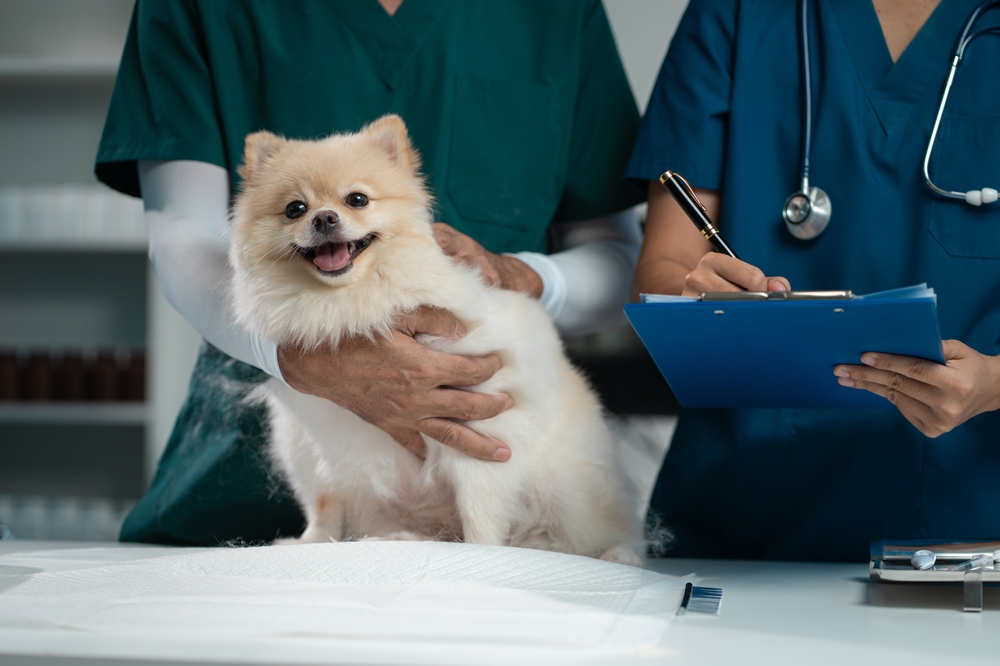
A physical exam tells your veterinarian a lot, but it has real limits. Your vet can feel an enlarged organ, notice labored breathing, or detect pain in a specific area, but none of that confirms what’s actually causing the problem. Internal injuries, tumors, bladder stones, fluid buildup, and foreign objects don’t show up on the surface. Without imaging, your vet is working with incomplete information, and that can lead to delayed treatment or missed diagnoses entirely.
Some conditions also look identical from the outside but require completely different treatments. A dog vomiting repeatedly could have an intestinal blockage, a swallowed object, or a mass pressing on surrounding tissue, and each of those needs a different response. Diagnostic imaging removes that ambiguity. It gives your veterinarian concrete visual evidence to work from, so the diagnosis is based on what’s actually there rather than what seems most likely based on symptoms alone.
Imaging Tools We Use To Diagnose Your Pet
X-Ray
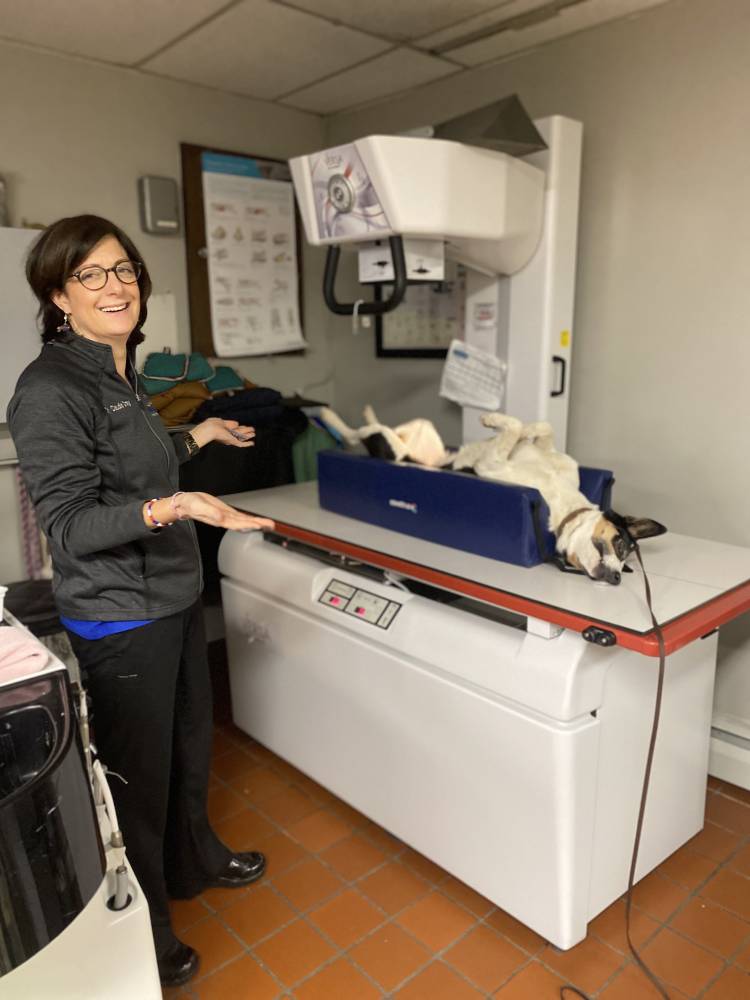
Digital radiography at Pathways Animal Hospital captures detailed images of both bone structure and soft tissue in seconds. Unlike traditional film-based systems, our digital x-rays allow immediate review on screen, so repositioning or retaking images happens quickly without added stress on your pet. This technology also makes it easy to share images electronically with specialists, including the Orthopedic Foundation for Animals when clearances are needed.
Ultrasound
Ultrasound uses high-frequency sound waves to produce real-time images of your pet’s internal organs and soft tissue structures. It’s a non-invasive procedure that works especially well for evaluating the abdomen, heart, and urinary tract. Beyond imaging, ultrasound can guide internal biopsies and needle aspirations in-office, giving your vet tissue samples without the need for surgery.
How We Approach Diagnostic Imaging At Every Visit
Starting With What You’ve Observed At Home
Before any imaging begins, our team takes time to hear what you’ve noticed, including changes in behavior, eating habits, movement, or anything that doesn’t seem right. The details you share at home often point us directly toward the areas that need a closer look. This conversation shapes the entire diagnostic approach and helps us avoid unnecessary procedures.
Choosing The Right Imaging For Your Pet’s Condition
Not every situation calls for the same imaging tool. Once we’ve completed a physical exam and reviewed your pet’s history, we determine whether digital x-rays, ultrasound, or a combination of both will give us the clearest information. Selecting the right method upfront saves time and reduces the need for repeat visits.
Taking The Images With Minimal Stress
Our trained veterinary technicians position your pet carefully to capture the most accurate images possible. Digital technology lets us review results on screen immediately, so if a different angle is needed, we adjust quickly rather than making your pet wait. The process is fast, and we keep your pet as calm and comfortable as we can throughout.
Walking You Through The Results In Plain Language
Once imaging is complete, we go over the findings with you directly, with no vague terms or confusing medical language. You’ll know exactly what the images show, what it means for your pet’s health, and what the recommended next steps are. Leaving with a clear understanding of your pet’s condition is just as important to us as getting the diagnosis right.
Keeping Track Of Your Pet’s Progress After Imaging
Some conditions require more than one look over time, and our team will let you know if a follow-up scan would be helpful. Monitoring a healing injury, tracking an organ abnormality, or confirming that treatment is working are all valid reasons to return for additional imaging. We make it easy to schedule those visits and keep your pet’s care moving in the right direction.
Why Choose Us
Pathways Animal Hospital combines experienced leadership with practical, in-house technology to give your pet efficient and accurate care. our team brings over two decades of veterinary experience to every case, and her attention to detail means imaging results are interpreted with skill and context. You won’t have to wait days for answers or travel to an outside facility for most imaging needs.
What sets us apart is the combination of clinical expertise and genuine care for the relationship between you and your pet. Dr. Gray has built her career on earning client trust and explaining health information clearly. When your pet needs diagnostic imaging, you deserve a team that takes the time to make sure you understand the results and what they mean for your animal’s health and quality of life.
FAQs
How much is an xray for a dog?
Dog x-ray costs typically range from $75 to $250 or more, depending on the number of views needed and the area being examined. Sedation, if required, may add to the total. Prices vary by location, clinic, and the complexity of your dog’s condition. At Pathways Animal Hospital, we’re happy to discuss costs during your consultation so you know what to expect before any imaging begins.
Do dogs need to be sedated for xray?
Most dogs do not need sedation for a routine x-ray. However, if your dog is in significant pain, highly anxious, or needs to be held in a precise position, light sedation may be recommended to ensure accurate imaging. Sedation also reduces stress on your pet during the process. Your veterinarian will assess your dog’s temperament and condition before making that call.
How long does a dog xray take?
A dog x-ray appointment generally takes between 15 and 30 minutes from start to finish. The imaging itself is completed in seconds once your pet is properly positioned. Additional time may be needed if multiple views are required or if sedation is used. Digital x-ray technology speeds up the process significantly since results appear on screen immediately after each image is taken.
How much does a cat xray cost?
Cat x-ray costs are generally comparable to dog x-rays, typically ranging from $75 to $250 or more depending on the area being imaged and how many views are needed. Sedation, if necessary, may be an additional expense. Costs also vary by geographic location and clinic. We encourage you to contact Pathways Animal Hospital directly for an estimate based on your cat’s specific needs.
How do cats get x-rays?
A veterinary technician gently positions your cat on an imaging table to capture the clearest possible view of the area in question. Some cats tolerate the process without any sedation, while others may need mild sedation to stay still and reduce anxiety. The entire procedure is non-invasive and over quickly. Digital x-ray technology captures each image in seconds, keeping the experience as brief as possible for your cat.
How long does a cat xray take?
Most cat x-ray appointments are completed within 15 to 30 minutes, though this depends on how many images are needed and how cooperative your cat is. The actual exposure time per image is only a fraction of a second. If sedation is required, the visit may run slightly longer to allow the medication to take effect safely. Your veterinary team will keep you informed throughout the process.
Accurate Answers Change Everything For Your Pet!
When something feels off with your pet, every day without answers adds unnecessary stress for you and for them. At Pathways Animal Hospital, our team use in-house diagnostic imaging to give you accurate, timely findings without the wait that comes with outside referrals. The sooner we can see what’s happening inside your pet’s body, the sooner we can put the right care plan in place. Your pet’s comfort can’t wait, so speak with our team at 716.936.8387 to schedule your imaging appointment.
Request Appointment