Rehabilitation

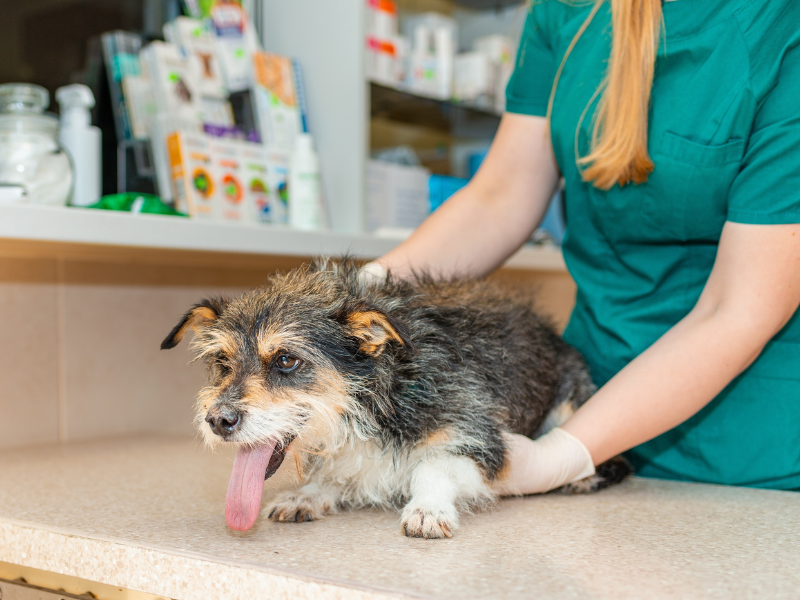
Watching your pet struggle to stand, hesitate at the stairs, or lose interest in the activities they once loved is one of the hardest things a pet owner can face. Dr. Claudia Gray DVM and the team at Pathways Animal Hospital are here to help change that picture.

Our rehabilitation services are built around one priority: getting your pet back to comfort, mobility, and a quality of life that makes their tail wag again. We combine hands-on expertise with proven therapeutic techniques to create personalized recovery plans that address your pet’s specific needs, not just their symptoms.
Request Appointment

Conditions That Respond Well to Rehabilitation

Rehabilitation is not a last resort. It is often most effective when started early and used alongside conventional veterinary treatment. Orthopedic conditions are among the most common reasons pets begin rehab. These conditions cause progressive pain and stiffness that limit movement, and targeted therapy works directly on them by reducing inflammation, rebuilding muscle support, and restoring a healthier range of motion.

Neurological conditions also respond well to structured rehabilitation. Post-surgical recovery is another area where rehab makes a measurable difference. Pets that go through a guided program after procedures like spinal surgery or fracture repair typically heal faster, regain more function, and are less likely to re-injure the affected area than those who rest alone.

Targeted Care for Pets Healing from Injury or Surgery

Underwater Treadmill and Recreational Swim

Hydrotherapy uses the natural properties of water including buoyancy, resistance, and warmth to support movement with minimal joint stress, making it ideal for pets recovering from surgery, managing arthritis, or needing low-impact conditioning. Before your dog’s first open swim, all new clients must complete a 30-minute introduction session and sign the required releases to confirm their dog meets health requirements. All participating dogs must be current on vaccines, flea, tick, and intestinal prevention, and must have had a veterinary exam within the last 12 months with no active signs of illness.

Laser Therapy

Companion Laser Therapy delivers non-thermal light energy into damaged tissue, stimulating cells to heal faster and with less inflammation, all without needles, drugs, or surgery. Sessions last 3 to 8 minutes, and many pets experience noticeable relief within hours of their first treatment. It treats a wide range of conditions including arthritis, post-surgical pain, skin issues, ear infections, and wounds, and works well alongside existing treatment plans.

Physical Therapy

Hands-on physical therapy uses targeted exercises, stretching, massage, and range-of-motion techniques to rebuild strength, restore flexibility, and prevent further injury. It is especially beneficial for pets recovering from neurological conditions, orthopedic surgeries, or extended periods of inactivity. Each program is designed around your pet’s current abilities and adjusted as they progress toward full recovery.

A Closer Look at How We Deliver Rehabilitation Care

Where Your Pet’s Care Plan Begins

Dr. Claudia Gray DVM starts with a thorough hands-on evaluation of your pet’s physical condition, including pain levels, posture, muscle tone, and range of motion. We review your pet’s full medical history, any prior diagnostics, and what you have been observing at home, because what you notice day to day matters. This initial assessment gives us the complete picture we need before recommending any therapy.

A Treatment Plan Designed for Your Pet

No two pets arrive with the same condition, history, or recovery needs, so no two treatment plans look the same. Based on the consultation findings, we map out a personalized rehabilitation program that identifies the right combination of therapies, visit frequency, and realistic progress goals. We walk you through every detail so you know exactly what your pet’s care involves and why each therapy was chosen.

Your Pet’s First Sessions in the Water, Laser, or Therapy Room

Early sessions are intentionally paced to let your pet build comfort and tolerance with each therapy. An underwater treadmill session feels very different from a laser therapy treatment or a guided physical therapy exercise, and our team monitors your pet’s response throughout each one. Intensity and duration are adjusted based on how your pet is progressing, never pushed beyond what they are ready for.

What You Can Do at Home to Help Your Pet Heal

Recovery does not stop when your pet leaves the clinic. Dr. Gray provides practical, easy-to-follow guidance on how to support your pet between sessions. This may include specific home exercises, activity restrictions, resting positions, or nutritional tips that complement their in-clinic care. Consistency at home plays a direct role in how quickly and fully your pet recovers.

Checking In and Fine-Tuning the Plan

Follow-up appointments are where we measure real progress, tracking changes in mobility, strength, pain response, and overall function since the last visit. If something is working especially well, we build on it. If an adjustment is needed, we make it. Staying in close communication with you throughout your pet’s rehabilitation is something we take seriously, because your observations at home are just as valuable as what we see in the clinic.

Why Choose Us

Most pets recovering from injury, surgery, or a chronic condition end up seeing multiple providers: a primary vet here, a specialist there, a separate facility for hydrotherapy. That kind of fragmented care creates gaps in communication, consistency, and results. At Pathways Animal Hospital, underwater treadmill therapy, laser treatment, and physical therapy are all available in one place, managed by the same team that already knows your pet. There is no handoff, no repeated intake process, and no disconnect between what one provider recommends and what another delivers.

Having multiple therapies under one roof also means Dr. Claudia Gray DVM can make real-time decisions about your pet’s care, adjusting the balance of treatments as your pet responds without waiting on outside referrals or second opinions. If your pet needs more laser sessions one week and a shift in physical therapy focus the next, that change happens immediately. It is a level of coordination that directly affects how efficiently your pet recovers, and it is built into how we deliver rehabilitation care from the very first visit.

FAQs

How to rehab a dog with a torn ACL?

CCL rehabilitation in dogs typically combines rest, controlled movement, hydrotherapy, and physical therapy to rebuild strength and restore proper function to the injured leg. Underwater treadmill sessions are especially effective, allowing your dog to move and build muscle with minimal joint stress. Your veterinarian will determine the right approach based on whether surgery was performed and how your dog is responding to care.

Why do dogs need rehab?

Dogs need rehabilitation to recover from surgery, manage chronic pain, or regain function lost to conditions like arthritis or nerve damage. Without structured rehab, dogs often compensate by shifting weight to other limbs, which creates new problems over time. Rehabilitation targets the root cause directly, leading to more complete and lasting recovery.

How much is physical therapy for dogs?

The cost varies depending on the therapies involved, session frequency, and the complexity of your dog’s condition. Some dogs need only a short treatment course, while others benefit from ongoing sessions. Contact our team at 716.936.8387 for current pricing and to discuss what your dog’s plan might involve.

How much is cat physical therapy?

Pricing depends on the treatments recommended, the number of sessions needed, and your cat’s specific diagnosis. Feline rehabilitation is tailored differently than canine therapy, as cats respond to handling and treatment environments in their own way. Reach out at 716.936.8387 to discuss your cat’s needs and what to expect in terms of cost.

How to rehabilitate an emaciated cat?

Rehabilitation for an emaciated cat begins with a full veterinary evaluation to identify the cause of weight loss and assess overall condition. Nutritional support comes first, reintroducing calories carefully to avoid refeeding syndrome. Once the cat is stable, gentle therapeutic exercises may be added under close veterinary supervision to rebuild muscle mass safely.

Help Your Pet Feel Better, Move Better, Live Better!

Your pet’s comfort and mobility have a direct impact on their happiness and yours. With the right rehabilitation plan, many pets experience significant improvements in pain levels, strength, and day-to-day activity that their owners did not think were possible anymore. Dr. Claudia Gray DVM and the team at Pathways Animal Hospital are ready to build that plan with you. Have questions before booking? Our team is happy to help. Reach us at 716.936.8387 to schedule your pet’s visit!

Request Appointment