Pets are family, and when surgery is on the table, you deserve a team you can fully trust. At Pathways Animal Hospital, our team is committed to delivering skilled, compassionate care for every patient — routine procedures and complex operations alike. With over two decades of veterinary experience, Dr. Gray takes the time to address your concerns, keep you informed at every stage, and make sure your pet is monitored closely before, during, and after surgery. Your pet’s safety and comfort are never an afterthought here. They are the whole point.
Routine and Advanced Surgery
The Range of Conditions Surgery Can Address
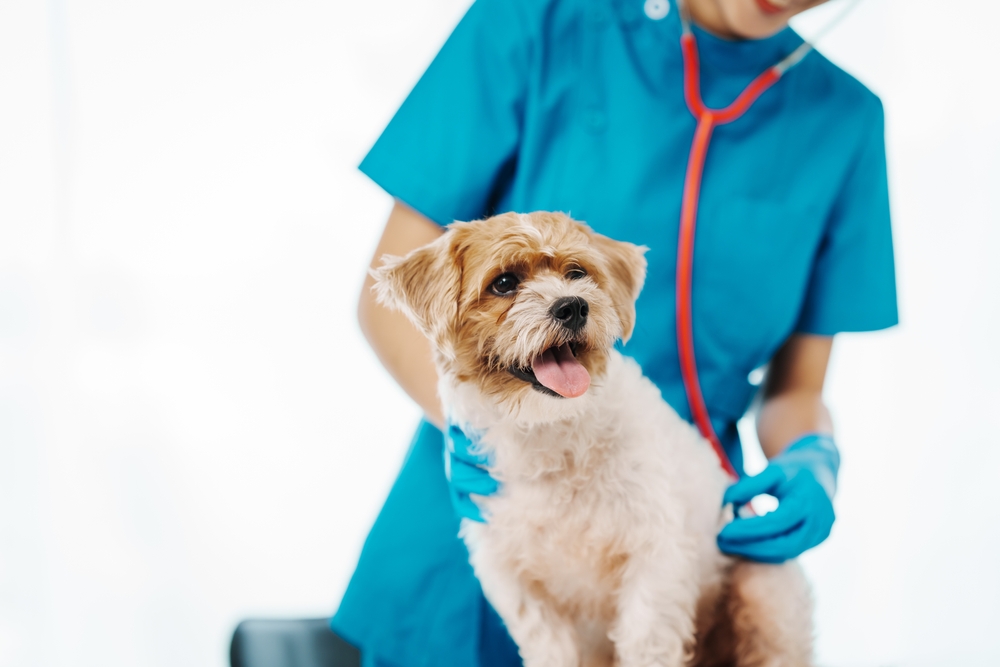
Surgery becomes necessary for pets for many different reasons, and the conditions that call for it are more varied than most pet owners realize. Some animals need surgical intervention due to injury such as torn ligaments, fractured bones, or wounds that go beyond what topical treatment can manage. Others require surgery because of internal health problems, such as a mass pressing on an organ, a blocked digestive tract, or a reproductive complication that cannot be resolved another way. The condition itself, along with your pet’s age and overall health, determines what type of surgical approach is appropriate.
Surgical needs also arise from preventive or reproductive care. Spaying and neutering are among the most common procedures in veterinary medicine, performed not just to manage pet populations, but to reduce the risk of certain cancers and infections. On the more specialized end, reproductive surgeries such as cesarean sections address situations where natural delivery is not possible or safe. Orthopedic conditions, tumor growth, and soft tissue damage round out the wide spectrum of cases where surgery offers the most effective path to your pet’s recovery and long-term well-being.

Surgical Services Tailored to Your Pet’s Needs
Our surgical services cover a broad spectrum of needs, so your pet can receive the right level of care without being referred elsewhere for most procedures. Here is an overview of what we offer:
Routine Surgery
Routine surgical procedures like spaying and neutering are some of the most common operations performed at Pathways Animal Hospital. These procedures are well-established, carry predictable outcomes, and are important for your pet’s long-term health and population management. Our team performs these surgeries with consistent protocols that prioritize your pet’s comfort and a smooth, uneventful recovery.
Advanced Surgery
Advanced surgical procedures go beyond routine care and require specialized skill, refined technique, and thorough preparation. This includes tumor removal, complex wound repairs, and other involved operations that demand precise execution. our team are trained and equipped to handle these more demanding cases with the same standard of care applied to every surgery at our practice.
Soft Tissue Surgery
Soft tissue surgery addresses conditions involving internal organs, skin, muscles, and other non-bony structures. Whether your pet needs a mass removed, a wound repaired, or an internal organ addressed, our surgical team approaches each case methodically. Soft tissue procedures are among the most varied in veterinary medicine, and our team’s experience allows us to adapt to each patient’s unique situation.
Orthopedics
Orthopedic surgery focuses on your pet’s bones, joints, and musculoskeletal system. Injuries, congenital issues, and degenerative conditions can all affect how your pet moves and feels day to day. Our orthopedic surgical services are designed to restore function, reduce pain, and improve quality of life so your pet can get back to doing what they love most.
What Happens at Every Stage of Your Pet’s Surgery
Addressing Your Concerns Before Surgery
Before any procedure is scheduled, our team takes the time to sit down with you and talk through what your pet is facing. This appointment covers your pet’s medical history, current health status, and the specific condition that has brought you in. No concern is too small. If something is on your mind, we want to hear it, because the more we understand about your pet and your expectations, the better prepared we are to move forward with confidence.
Laying Out a Clear Plan for Your Pet
Once we have a full picture of your pet’s health, we put together a surgical plan built specifically around their needs. This includes the recommended procedure, any pre-operative requirements such as blood work or fasting instructions, and a realistic timeline for recovery. We walk you through every detail so you know exactly what to expect. No guesswork, no surprises, before your pet ever enters the operating room.
What Your Pet Experiences During Surgery
On the day of surgery, your pet is monitored closely from the moment they arrive at our facility. Our team tracks their vitals throughout the procedure and takes every precaution to keep them stable, comfortable, and safe under anesthesia. our team apply careful technique at every step, and we keep stress to a minimum so your pet’s experience during this time is as calm as possible.
Setting Your Pet Up for a Smooth Recovery
After surgery, we do not just send you home with a pamphlet. Our team walks you through detailed aftercare instructions covering wound care, activity restrictions, medication schedules, and warning signs to watch for. Good recovery starts the moment your pet leaves our care, so we make sure you feel prepared and confident about managing the days ahead, because what happens at home matters just as much as what happens here.
Following Up Until Your Pet Is Fully Healed
Recovery does not end when your pet walks out the door. We schedule follow-up visits to check the surgical site, assess your pet’s overall condition, and make any necessary adjustments to their care plan. If questions come up between appointments, our team is available to help. We stay involved in your pet’s healing process because a successful surgery is not just about the procedure. It is about what comes after.
Why Choose Our Approach to Routine and Advanced Surgery
Few veterinarians bring the depth of surgical and reproductive experience that Dr. Claudia Gray DVM has built over more than two decades in practice. Her expertise spans the full range of general surgery while extending into a specialty that most clinics do not offer at all, which is small animal reproduction. As a Certified Zoetis Freeze Center, Dr. Gray has successfully produced litters using cryogenically preserved canine semen, including samples stored for over 25 years. That level of specialized knowledge reflects a long-standing commitment to advancing what is possible in veterinary surgical and reproductive care.
Beyond her technical skill, Dr. Gray is known for the relationships she builds with clients over time, often caring for multiple pets across several years within the same family. She approaches each case collaboratively, helping you understand what is happening with your pet and what options are available, rather than simply telling you what to do. Her background in general practice, surgery, and reproductive medicine means your pet benefits from well-rounded clinical thinking at every appointment. When surgical care is the right call, you want someone who has seen a wide range of cases and knows exactly how to handle yours.
FAQs
Can a dog have water before surgery?
Most veterinarians recommend withholding water for at least a few hours before surgery to reduce the risk of complications related to anesthesia. The exact fasting window depends on your dog’s age, size, and the type of procedure being performed. Your veterinary team will give you specific pre-operative instructions to follow ahead of time. Always follow those guidelines closely, as they are set with your dog’s safety in mind.
How much does dog surgery cost?
Dog surgery costs vary widely depending on the procedure, complexity, and location of the veterinary practice. Routine surgeries like spays and neuters typically range from $200 to $500, while advanced procedures can run significantly higher. At Pathways Animal Hospital, we discuss pricing transparently during your consultation so you can plan ahead without unexpected bills. We are happy to walk you through what is included in your estimate.
How long should a dog wear a cone after surgery?
Dogs typically need to wear a cone for 10 to 14 days following surgery, or until the incision has fully closed and healed. Removing it too early increases the risk of your dog licking or chewing the wound, which can lead to infection or reopening. Your veterinarian will assess the healing site at follow-up and let you know when it is safe to remove the cone.
Can cats have water before surgery?
Cats are generally asked to fast before surgery, including water restriction for a set number of hours prior to the procedure. The fasting period may differ based on your cat’s age and the nature of the surgery, as kittens often have shorter fasting windows. Your veterinary team will provide specific instructions beforehand. Following them carefully helps reduce anesthesia-related risks during the procedure.
How much does cat surgery cost?
Cat surgery costs depend on the type of procedure, required diagnostics, and the level of anesthesia and monitoring involved. Common surgeries like spays typically fall between $200 and $400, while more complex operations vary based on the case. We believe cost transparency is part of good veterinary care, and our team at Pathways Animal Hospital is always upfront about pricing before anything is scheduled.
How to keep your cat from jumping after surgery?
Restricting your cat’s movement after surgery is one of the most important parts of recovery. Keep them in a small, contained space such as a single room or a recovery crate to limit the temptation to jump or climb. Remove access to furniture, cat trees, and stairs during the healing period. Your veterinarian will advise how long activity should be restricted based on the specific procedure performed.
Ready to move forward with your pet’s surgical care?
Your pet deserves surgical care from a team that combines clinical skill with genuine compassion. Getting the right care early makes a meaningful difference in your pet’s recovery and long-term health, whether the procedure is straightforward or complex. Our team at Pathways Animal Hospital are ready to answer your questions and guide you through every step of the process. Reach out today at 716.936.8387 to schedule your pet’s consultation, because your pet’s well-being is always worth prioritizing!
Request Appointment