Reproductive Services

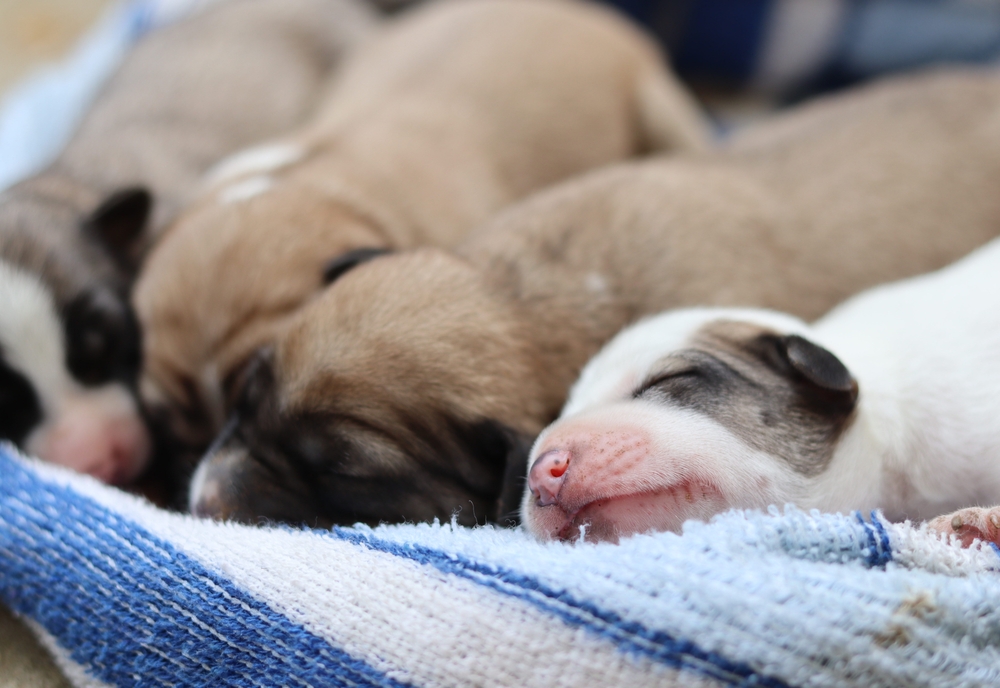
Bringing healthy, well-bred puppies into the world takes more than a good match. It takes a veterinary team that understands what breeders actually need. At Pathways Animal Hospital, Dr. Claudia Gray DVM and her team have built a reproductive services program around that exact commitment.

Your kennel represents years of careful selection, deep breed knowledge, and a genuine passion for producing dogs that stand out in the ring, on the field, or in a family’s home. We offer the diagnostics, procedures, and hands-on guidance to support you at every stage, so you can breed with confidence and focus on what you do best.
Request Appointment

What Separates a Planned Breeding from a Guesswork One

Breeding without a structured plan leaves too much to chance. Missing the ovulation window by even a day or two can result in an empty litter. An undetected health issue in the dam or stud dog can silently affect fertility, litter size, or the health of the puppies themselves. These aren’t rare scenarios. They’re the most common reasons breeding programs fall short of their potential.

A planned approach changes those odds significantly. Accurate progesterone testing identifies the precise ovulation window. Pre-breeding health evaluations confirm that both dogs are physically ready. Breed-specific clearances rule out heritable conditions before they’re passed to the next generation. Pregnancy confirmation, prenatal nutrition guidance, and whelping support carry that preparation through to a safe delivery. Each of these steps builds on the last, and together, they give you far more control over the outcome than timing and instinct alone ever could.

Specialized Services for Every Stage of Reproduction

Breeding Soundness Evaluations

Before breeding begins, both the dam and stud dog need a clean bill of health. We evaluate each dog thoroughly, covering physical exams, parasite screening, brucellosis testing, semen analysis, prostate evaluation, and immunizations. A healthy dam and a proven stud dog give every litter its best possible start.

Pre-Breeding Health Testing

We offer breed-specific health clearances through the Orthopedic Foundation for Animals (OFA), including digital radiography for hips, elbows, and other structural evaluations. Most OFA x-rays are performed without sedation thanks to our gentle handling technique. Ruling out heritable conditions before breeding is one of the most responsible steps you can take for your program.

Ovulation Timing (In-House Progesterone)

Breeding at the wrong time is the most common reason for missed conceptions. We offer same-day, in-house progesterone testing to pinpoint your dam’s exact ovulation window. Better timing means better conception rates and stronger litter sizes.

Artificial and Transcervical Insemination

We offer both vaginal artificial insemination (AI) and transcervical insemination (TCI) for situations where natural breeding isn’t possible or preferred. AI supports the use of fresh-chilled semen shipped from non-local stud dogs. TCI deposits semen directly into the uterus with a success rate exceeding 90%, and the bitch remains fully awake throughout.

Prenatal and Postnatal Care

We guide you through nutrition, caloric adjustments, and key warnings during pregnancy, including avoiding raw feeding and calcium supplementation. After whelping, we monitor your dam for mastitis, metritis, and hypocalcemia while helping you manage the increasing demands of lactation. Support continues for both dam and puppies well beyond delivery.

Puppy Count X-Ray

One week before the due date, an x-ray confirms exactly how many puppies to expect. For anyone whelping at home, this step is critical. Knowing the full count helps you act quickly if uterine inertia or dystocia develops during delivery.

Whelping Consultation and Management

We help you decide the safest delivery option for your dam based on her history, litter size, and breed. For planned cesarean sections, our protocol is precise and gentle. Dams recover quickly without external sutures, bond naturally with their puppies, and are typically heading home within one to two hours of arrival.

How We Support You Through Every Stage of Breeding

Getting to Know Your Dogs and Your Goals

Before any testing begins, Dr. Claudia Gray DVM takes time to understand your program, your dogs’ histories, and your breeding goals. We review health records and identify anything that needs attention before moving forward. This conversation sets the foundation for everything that follows.

Mapping Out the Right Path for Your Dogs

We build a plan specific to your dogs and your program, covering OFA clearances, progesterone testing schedules, semen evaluation, and the right insemination method for your situation. Every recommendation comes with a clear explanation so you can make informed decisions at each step.

Executing Each Step with Accuracy

Our team carries out each procedure with skill and precision, sharing results promptly in plain language. You stay informed at every critical point without having to chase down updates. Accurate execution is what turns a good plan into a successful breeding.

Guidance for the Weeks That Matter Most

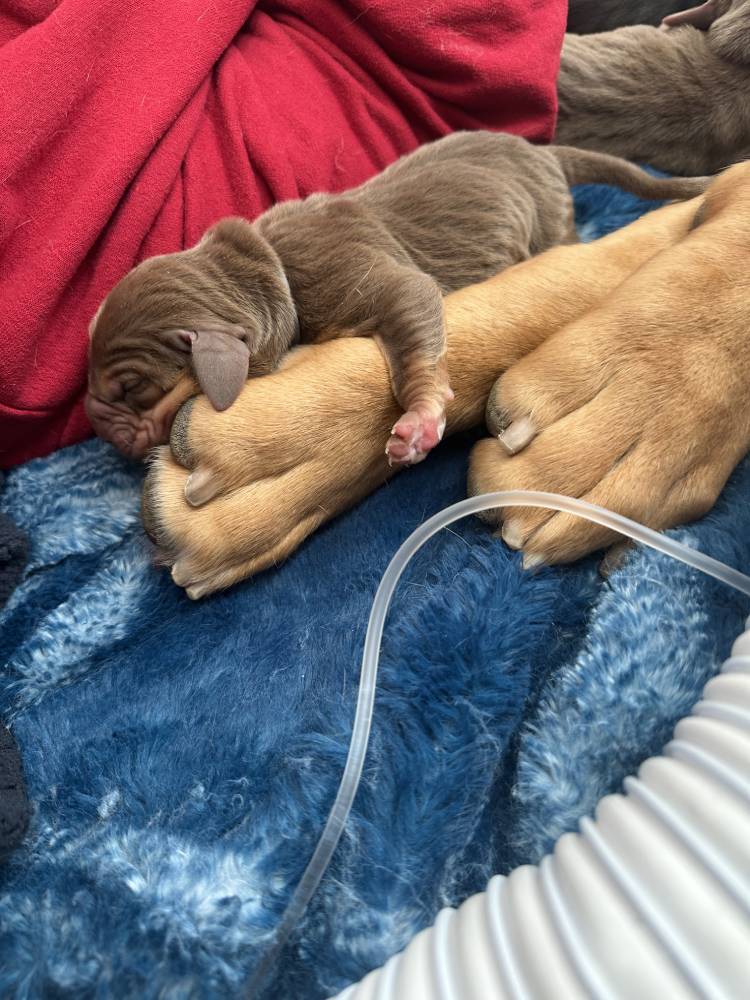
Dr. Claudia Gray DVM provides nutritional recommendations for the pregnant dam, early monitoring instructions for newborns, and clear guidance on warning signs as delivery approaches. When neonates need extra support, we step in with tube feeding, plasma administration, or antibiotic care as needed.

Staying with You Through the Full Cycle

We follow up through postnatal checkups, track the dam’s recovery, and stay available for concerns that come up during lactation. After-hours consultations are often available for our breeder clients when timing doesn’t cooperate. We stay connected until dam and puppies are both stable and thriving.

Why Choose Our Veterinary Approach

Pathways Animal Hospital is built for breeders. We are a Certified Zoetis Freezing Center, we offer same-day in-house progesterone testing, and our staff understands the commitment you’ve made to your breed. Dr. Claudia Gray DVM has the experience and specialized knowledge to guide you through every stage of the reproductive process, from breeding soundness evaluations and OFA clearances to planned c-sections and neonatal recovery. You’ll find breed-specific insight here, not just general veterinary advice.

Beyond technical capability, we genuinely care about the animals in your program and the future generations you’re working to produce. We stock semen extenders, AI kits, and shipping boxes on-site, offer FedEx pickup until 6 PM for fresh-chilled semen shipments, and accommodate last-minute collection requests whenever we can. Your dogs represent your past, present, and future, and we treat them that way.

FAQs

How does dog breeding work?

Dog breeding involves pairing a dam and stud dog during the dam’s fertile period to achieve conception. In a managed program, this includes pre-breeding health evaluations, accurate ovulation timing, and an assisted or natural breeding method. After successful conception, pregnancy is confirmed by ultrasound, followed by prenatal care and whelping support to ensure a safe delivery.

When can a male dog start breeding?

Male dogs can begin producing sperm as early as six months of age, but most are not fully mature or reliable breeders until twelve to eighteen months. Before a stud dog is used, a breeding soundness evaluation including semen analysis and a full physical exam is recommended to confirm quality, motility, and overall reproductive health before his first breeding.

How old should a dog be before breeding?

Most breed organizations recommend waiting until a dog is at least two years old before breeding. This allows time for genetic health clearances, such as OFA evaluations, to be completed accurately. Breeding too young can also put physical strain on the dam and may not reflect the dog’s mature conformation or temperament, which are important considerations in a responsible breeding program.

When can cats start breeding?

Female cats can reach sexual maturity as early as four to six months of age, though this varies by breed and season. Most veterinarians recommend waiting until a cat is physically mature, typically around twelve months, before allowing her to breed. Early breeding can be hard on a young queen’s body and may affect litter health and her own long-term reproductive health.

Does a cat's heat end when they get inseminated?

Not necessarily from insemination alone. Cats are induced ovulators, meaning ovulation is triggered by mating or a similar physical stimulus. Once ovulation occurs, the heat cycle will typically end within one to two days. If a breeding attempt does not successfully stimulate ovulation, the queen may continue cycling or return to heat within a short period.

Are cats induced ovulators?

Yes, cats are induced ovulators and they do not ovulate on a set schedule the way dogs do. Instead, ovulation is triggered by the act of mating or a comparable physical stimulus to the vaginal canal. This means a queen can remain in heat indefinitely without mating. Successful induction of ovulation is what ends the cycle and, if a fertile mating occurred, begins the process of pregnancy.

Your Kennel’s Future Generations Deserve a Strong Foundation

Reproductive success takes the right support at the right time. With accurate ovulation timing, thorough health evaluations, and hands-on whelping support, you can breed with confidence and give every litter the best possible start.

Dr. Claudia Gray DVM and the team are here to help you produce healthy, sought-after puppies while keeping your stud dogs thriving and your dams well cared for. Book your appointment today by calling Pathways Animal Hospital at 716.936.8387 and let’s get to work on your next litter.

Request Appointment