Nonroutine/Sick Pet Care

Watching your pet suffer is one of the hardest things you can go through as an owner, and knowing where to turn makes all the difference. At Pathways Animal Hospital, Dr. Claudia Gray DVM and her team bring decades of veterinary experience and a deep commitment to animals who need more than a routine checkup.

Dr. Gray approaches every sick visit with the same urgency and attention she would want for her own patients, delivering nonroutine and sick pet care, including hospitalization with overnight supervision, that is thorough, responsive, and built around your pet’s specific needs. You will always know what is happening and why.
Request Appointment

What Counts as a Nonroutine or Sick Pet Visit

A nonroutine or sick pet visit is any appointment that falls outside your pet’s scheduled wellness care. This includes sudden changes in behavior, unexplained weight loss, persistent vomiting or diarrhea, difficulty breathing, visible pain, or injuries that need immediate attention. If something feels off with your pet, even if you cannot quite name it, that instinct is usually worth acting on.

Some conditions that start mild can escalate quickly without proper evaluation. A dog that stops eating for a day or two, a cat that is hiding more than usual, or a pet that seems unsteady on their feet all warrant a closer look from a veterinarian. Nonroutine visits also cover follow-up care for ongoing conditions, post-surgical monitoring, and cases where hospitalization becomes necessary to stabilize a pet whose condition cannot be safely managed at home.

What Your Pet Gains From Proper Sick Care

Early Detection Prevents Bigger Problems Later

Many serious conditions, including organ disease, internal infection, and hormonal disorders, develop quietly before obvious symptoms appear. A thorough sick visit gives your veterinarian the opportunity to catch these issues at a stage when they are far easier and less costly to treat. Acting on early warning signs rather than waiting for a crisis protects your pet’s long-term health in a meaningful way.

Accurate Diagnosis Leads to the Right Treatment

Guessing what is wrong with a sick pet wastes time and can make things worse. Nonroutine visits use targeted diagnostics, including bloodwork, urinalysis, imaging, and physical examination, to pinpoint the actual cause of your pet’s symptoms. A correct diagnosis from the start means your pet receives treatment that actually addresses the problem rather than just managing surface-level symptoms.

Pain and Discomfort Are Addressed Directly

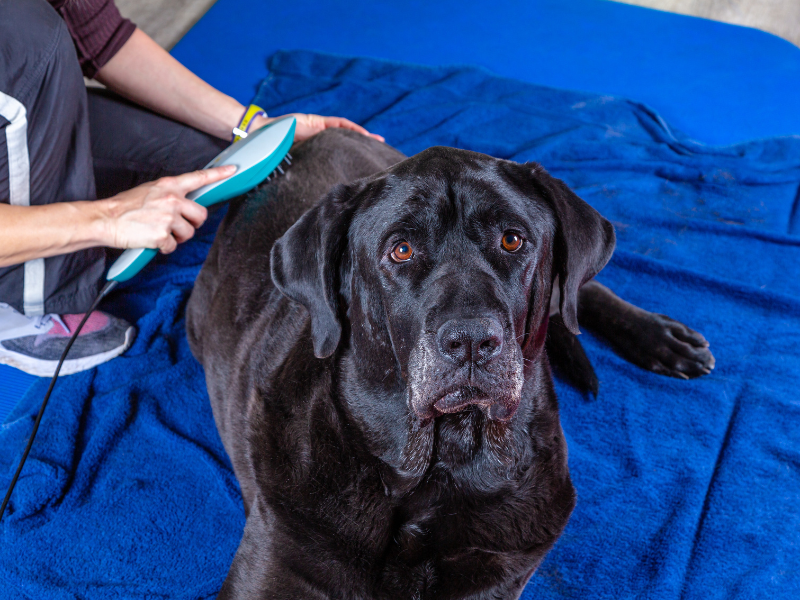
Pets are instinctively good at hiding pain, which means discomfort is often more significant than it appears. Sick pet care includes a thorough pain assessment so your veterinarian can identify and treat discomfort that might otherwise go unnoticed. Managing pain effectively does more than make your pet comfortable. It also supports faster, more stable recovery.

Hospitalization Provides Stability During Critical Windows

Some illnesses have a narrow recovery window where continuous care dramatically changes the outcome. Hospitalization keeps your pet stable during that critical period. Fluids, medications, and monitoring work together in ways that simply cannot be replicated at home. Having that level of support available when your pet needs it most can be the deciding factor in a full recovery.

You Get Clear Answers When You Need Them Most

A sick pet visit is not just about treating your animal. It is also about giving you reliable information during a stressful time. Your veterinarian will explain what is wrong, what the treatment involves, and what to realistically expect going forward. That clarity helps you make informed decisions for your pet without feeling overwhelmed or left in the dark.

A Closer Look at How We Treat Sick and Nonroutine Cases

Your Pet’s First Exam and What It Tells Us

The first appointment begins with a hands-on physical examination and a detailed conversation about what you have noticed at home. Dr. Claudia Gray DVM reviews your pet’s medical history alongside current symptoms to build an accurate picture of what may be going on. Diagnostic testing, including bloodwork, urinalysis, or imaging, may be recommended at this stage to confirm or rule out specific conditions. Every finding from this exam directly shapes the next steps in your pet’s care.

A Treatment Approach Designed for Your Pet

Once the exam and diagnostics are complete, a treatment plan is built specifically around your pet’s diagnosis, age, and overall health. There is no standard template applied to every case. The plan reflects what your individual pet actually needs to recover. Dr. Gray walks you through each recommended step before anything begins, giving you the opportunity to ask questions and understand exactly what is being done and why.

Active Care That Responds as Your Pet Does

Treatment is carried out by an experienced veterinary team trained to manage a wide range of acute and complex conditions. Your pet may require IV fluid therapy, pain management, wound care, or continuous monitoring during a hospital stay. Every aspect of their care is tracked and documented. The team adjusts treatment in real time based on how your pet is responding, so care never stays fixed when the situation calls for a change.

Care Instructions You Can Actually Follow

Before your pet is discharged, the team reviews all aftercare instructions with you in plain, practical terms. Medication schedules, feeding adjustments, activity restrictions, and specific warning signs to watch for are all covered clearly so nothing is left to guesswork. Dr. Claudia Gray DVM ensures you leave with the confidence to manage your pet’s recovery at home without feeling uncertain about what to do next.

Continued Oversight After Your Pet Goes Home

Discharge is not the end of your pet’s care. Follow-up appointments are scheduled to reassess recovery, review any outstanding test results, and make adjustments to the ongoing care plan if needed. The team remains available between visits to address questions or concerns, because what happens after your pet goes home matters just as much as the treatment they received while in the hospital.

Why Choose Us

Dr. Claudia Gray DVM brings over two decades of hands-on veterinary experience to every nonroutine and sick pet case that walks through the door. Her clinical background spans general practice, surgery, and small animal reproduction, a breadth of knowledge that proves valuable when a pet presents with symptoms that do not fit a straightforward diagnosis. She does not rely on assumptions. Every case is evaluated with the same disciplined, methodical approach: thorough physical examination, targeted diagnostics, and a treatment plan grounded in what the findings actually show.

What makes that depth of experience especially relevant in sick pet care is the ability to recognize when something is more complex than it first appears. Nonroutine cases often involve overlapping symptoms, underlying conditions, or unusual presentations that require a clinician who can think critically beyond the obvious. Dr. Gray’s surgical background adds another layer of capability for cases where medical management alone is not enough. Her active membership in organizations including the AVMA and the New York State Veterinary Medical Society reflects a commitment to staying current with evolving standards in veterinary medicine. When your pet is sick and the stakes feel high, that level of clinical rigor is exactly what you want in the room.

FAQs

How much does it cost to hospitalize a dog?

The cost to hospitalize a dog can range significantly based on the reason for admission, the length of stay, and the treatments required. In general, dog hospitalization can run anywhere from a few hundred to several thousand dollars. Conditions requiring intensive monitoring, IV fluids, or surgery will cost more than straightforward observation cases. Your veterinarian will provide a detailed estimate before treatment begins so you understand the expected costs.

Does pet insurance cover hospitalization?

Many pet insurance plans do cover hospitalization costs, particularly for unexpected illness or injury. Coverage depends on your specific policy, including deductibles, reimbursement percentages, and any exclusions for pre-existing conditions. It is always a good idea to contact your insurance provider before or shortly after hospitalization to understand your benefits. Your veterinary team can also provide documentation to support your claim.

How much does cat hospitalization cost?

Cat hospitalization costs are influenced by the underlying condition, the level of care needed, and how long your cat needs to stay. Costs typically range from a few hundred dollars for short-term monitoring to well over a thousand for more complex cases requiring diagnostics, surgery, or extended care. Asking for an itemized estimate upfront helps you plan and make informed decisions about your cat’s treatment options.

How much is an overnight stay at a vet hospital?

Overnight veterinary stays generally range from $100 to $300 or more per night for basic monitoring, with costs rising significantly when active treatment, nursing care, or specialist involvement is required. The total will depend on your location, the facility’s services, and your pet’s individual needs. Your veterinary team will outline expected costs for each day of care so you are not caught off guard by the final bill.

How do vet emergency hospitals monitor patient recovery overnight?

Overnight monitoring typically involves regular vital sign checks, including heart rate, respiratory rate, temperature, and blood pressure. Patients on IV fluids or medications are checked at scheduled intervals throughout the night, and any changes in condition are addressed immediately by on-call staff. Some hospitals also use continuous monitoring equipment for the most critical patients. Staff document each check so your veterinarian has a complete picture of how your pet progressed through the night.

Do Not Let Uncertainty Hold Your Pet Back From Care

Bringing in a sick pet is stressful, and it is completely normal to feel unsure about what to do next. That uncertainty is exactly why Dr. Claudia Gray DVM is here. You will not be met with rushed answers or vague reassurances. From the moment you call to the moment your pet is on the road to recovery, the focus is on giving you clear information, honest guidance, and the confidence that your pet is receiving the attention their condition requires.

You do not have to figure this out alone. Reach out to Pathways Animal Hospital today to schedule an appointment or speak directly with the team about your pet’s symptoms. A phone call at 716.936.8387 is all it takes to get started.

Request Appointment