
A cancer diagnosis is one of the hardest conversations we have. What we can tell you honestly is that veterinary oncology looks very different from the human version — the goal is not cure at any cost, it is good time, comfortably spent. We will walk this with you, whatever you decide.
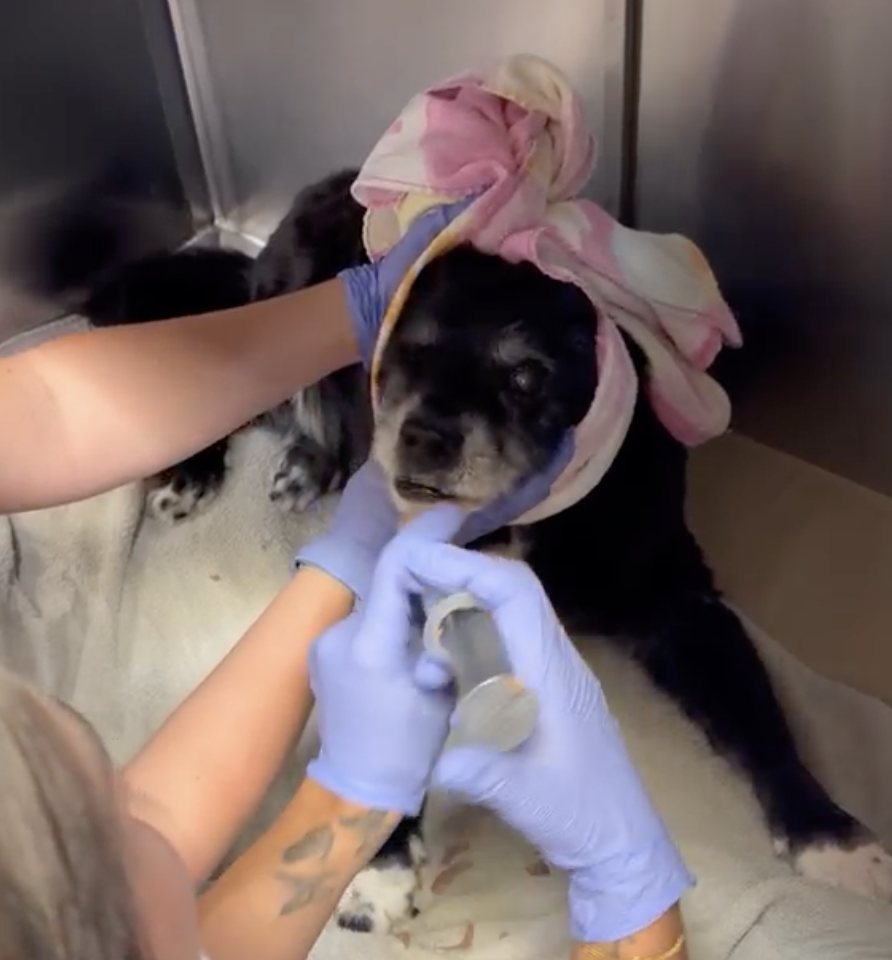
Chemotherapy in pets is not what people expect
The word carries a great deal of weight from human medicine, and it frightens people away from a conversation worth having. In veterinary oncology, protocols are deliberately dosed for quality of life rather than maximum tolerated effect. Most pets on chemotherapy feel well, keep their appetite, and keep their fur.
A minority experience side effects — usually mild nausea or a period of low energy for a day or two — and those are manageable and something we plan for in advance rather than react to. If a patient is having a hard time, we adjust or stop. We do not push a protocol at the expense of the animal in front of us.
Deciding whether to treat
There is no obligation to treat, and choosing not to pursue chemotherapy is a legitimate, loving decision. Some families choose full treatment, some choose palliative care from the outset, and many choose something in between. Cost, travel, the pet’s temperament, their age, and what your family can carry are all real factors, and none of them are things we will judge you for.
What we will give you is a clear picture: what this cancer typically does, what treatment would realistically buy in time and in quality, what it involves week to week, and what it costs. With clarity, honesty, and a plan — then the decision is yours.
Palliative and hospice care
When treating the disease is not the goal, treating the animal still is. Palliative care focuses entirely on comfort: pain control, appetite and nausea management, mobility support, and adjustments at home that make ordinary life easier.
This is often where families find unexpected relief. A pet whose pain is properly managed is frequently more themselves than they have been in months, and that time has real value.
Quality of life, and the end
We would rather talk about quality of life early and gently than in an emergency at the worst possible moment. We will help you track it at home — appetite, mobility, interest in the things they love, whether good days outnumber bad — so the picture is built over time rather than judged on one frightening afternoon.
When the time comes, you will not be working it out alone. We will be honest with you about what we see, and we will make that day as gentle as we possibly can. This is part of walking with you, every step, every generation.
Common questions
Will chemotherapy make my pet sick?
Usually not to the degree people expect. Veterinary chemotherapy protocols are dosed to preserve quality of life rather than for maximum effect, so most pets continue eating normally, keep their energy, and do not lose their coat. A minority experience mild nausea or lethargy for a day or two, which is anticipated and managed.
Do pets lose their fur during chemotherapy?
Most do not. Significant hair loss is uncommon in dogs and cats because their coat growth cycle differs from humans. Breeds with continuously growing coats, such as poodles and some terriers, are the main exception and may thin somewhat.
Is it wrong to decline cancer treatment for my pet?
No. Choosing palliative care instead of chemotherapy is a legitimate and compassionate decision, and it is the right one for many families. Cost, travel, your pet’s age and temperament, and what your household can manage are all valid considerations. Our role is to give you a clear picture and support whichever path you choose.
What is palliative care for pets?
Palliative care focuses on comfort rather than curing the disease — pain control, appetite and nausea management, mobility support, and practical changes at home. It can be provided alongside treatment or on its own, and many owners find their pet becomes noticeably more themselves once pain is properly controlled.
How will I know when it is time?
Quality of life is best judged over time rather than on a single bad day. We look at appetite, mobility, continence, interest in people and activities they enjoy, and whether good days outnumber bad. We will give you a way to track this at home and talk it through honestly, so the decision is shared.
References & further reading
The guidance on this page follows current veterinary consensus. These are the sources behind it, if you would like to read further.
- End-of-Life Care Guidelines — AAHA
- International Association for Animal Hospice and Palliative Care — IAAHPC
- Cancer in dogs and cats — Merck Veterinary Manual