
Handing your pet over for surgery is one of the harder moments of pet ownership. Our job is to make it a decision you understand rather than one you simply consent to — which means telling you what we are doing, why, what it costs, and what the recovery actually looks like before anything is scheduled.
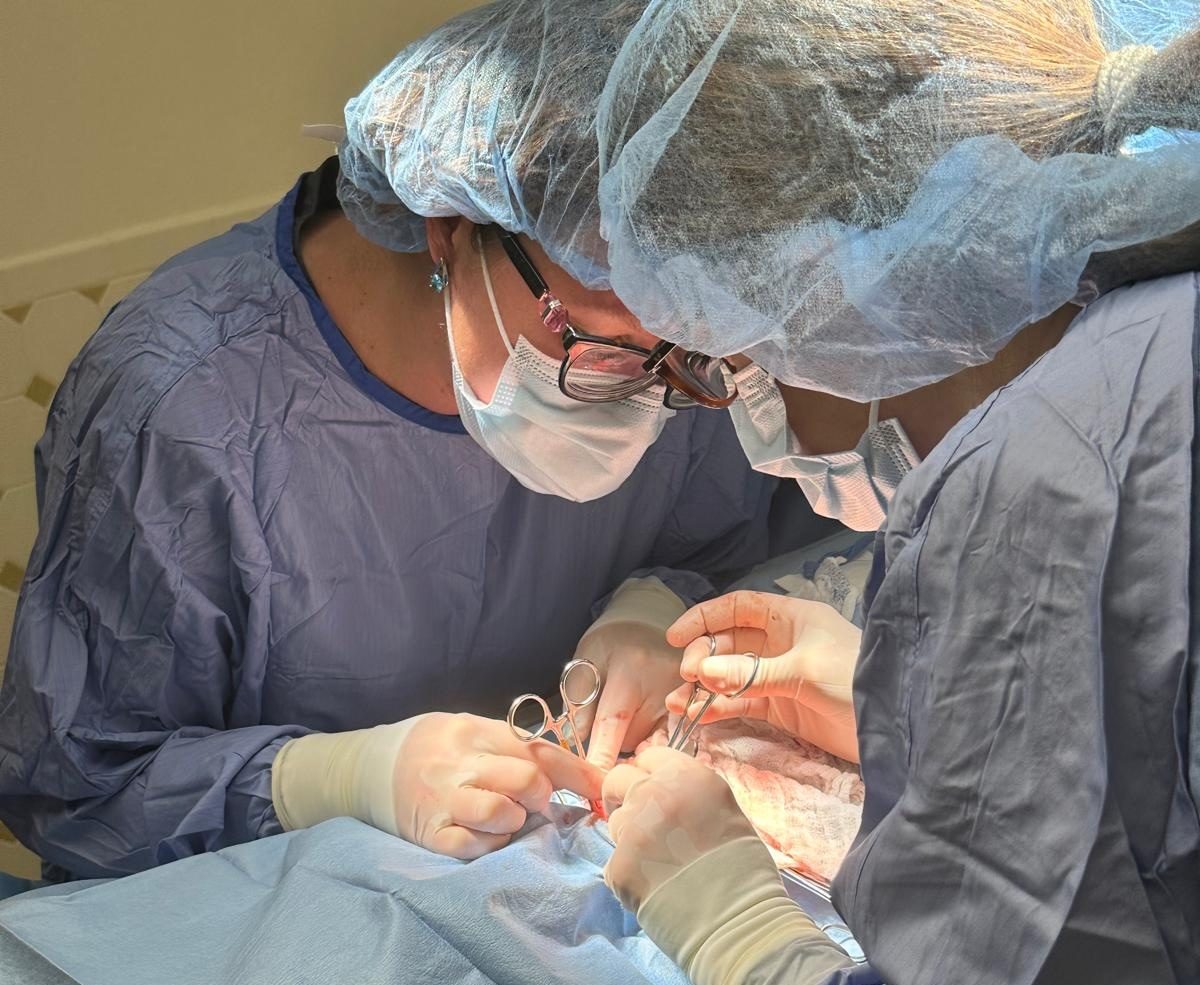
What we do here
Our veterinarians perform a wide range of soft tissue and orthopedic procedures in a modern surgical suite. Dr. Gray in particular is widely respected for her surgical judgment — knowing when to operate is as much of the skill as the operating itself.
- Spaying, neutering, and routine soft tissue surgery
- Orthopedic surgical procedures
- Tumor removal and biopsies
- Insemination and planned C-section
- Vasectomy and ovary-sparing spay (hysterectomy)
- Pre-operative ECG screening, bloodwork, and examination for every patient
- Advanced monitoring before, during, and after surgery
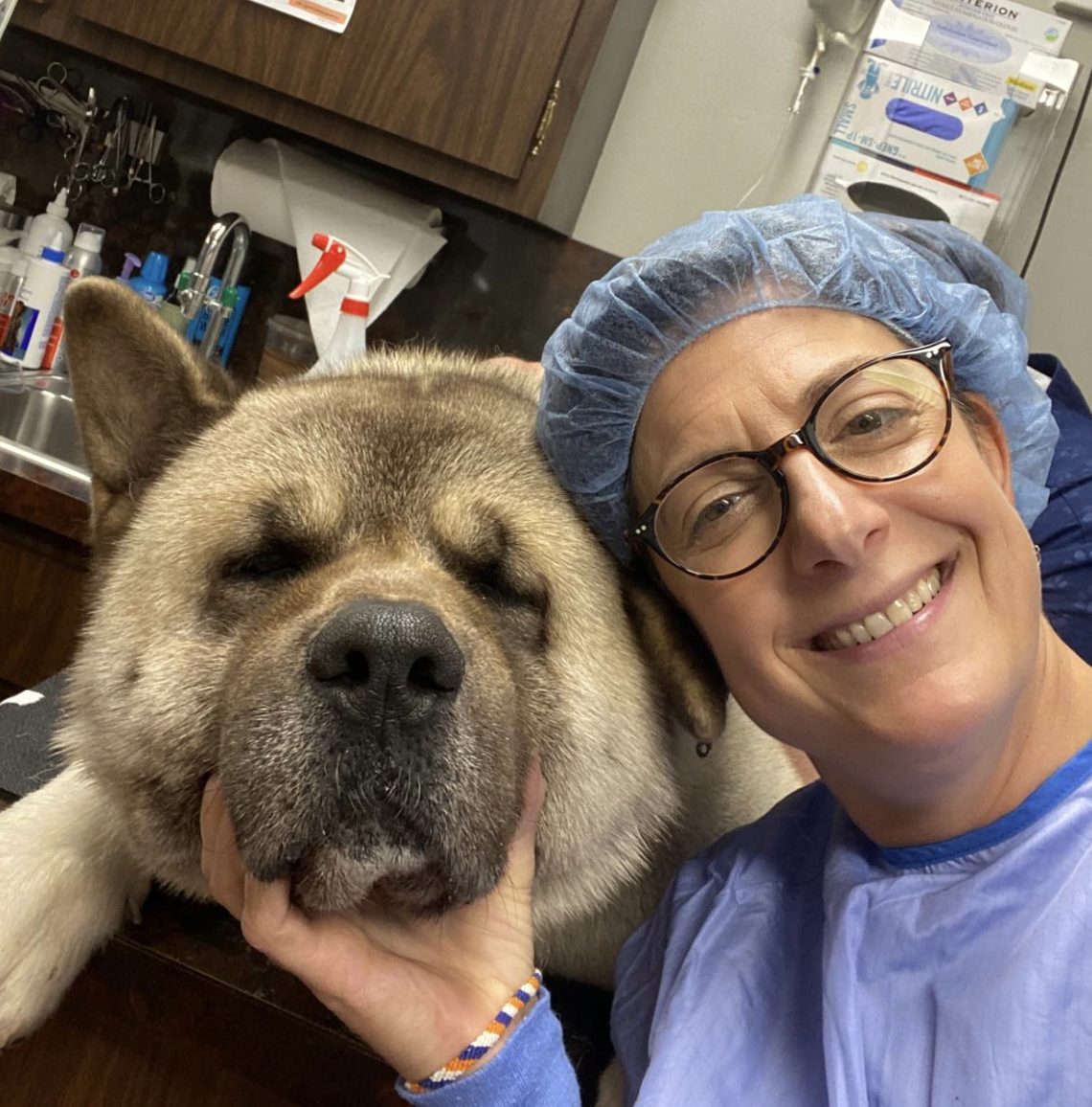
Anesthesia is the part worth asking about
Most owners worry about the surgery. The part that deserves your questions is the anesthesia, and modern veterinary anesthesia is far safer than its reputation — when it is done properly.
Every patient here is screened before anesthesia with an ECG as well as bloodwork and a physical examination — the ECG is not an upcharge or an optional extra, because a rhythm abnormality is exactly the sort of thing you want to find before induction rather than during it.
Beyond that screening it means a protocol chosen for that individual patient rather than a default, intravenous access throughout, and a dedicated person whose entire job during the procedure is watching your pet: heart rate and rhythm, blood pressure, oxygen saturation, exhaled carbon dioxide, and temperature. Recovery is monitored just as closely, because that is when problems most often surface.
Pain management, not stoicism
Dogs and cats do not show pain the way people do, and a quiet animal is not necessarily a comfortable one. We plan pain control before the first incision rather than waiting to see whether it is needed — pre-emptive and multimodal analgesia is both more humane and more effective than chasing pain after the fact.
You will go home with a clear plan: what to give, when, what normal recovery looks like, and the specific signs that mean you should call us instead of waiting.
Spay and neuter timing
The old advice — six months, every dog, no exceptions — has not held up. Evidence now suggests that for some breeds, particularly larger ones, waiting until skeletal maturity may reduce the risk of certain orthopedic and cancer outcomes, while for others earlier is still appropriate.
It is a genuine trade-off rather than a single right answer, and it depends on breed, size, sex, temperament, and your household. We will walk you through what is known and what is still uncertain, and help you make the call.
Common questions
Is anesthesia safe for my pet?
Modern veterinary anesthesia is very safe for the great majority of patients. Risk is managed with pre-anesthetic blood work, a protocol tailored to the individual patient, intravenous access, and continuous monitoring of heart rate, blood pressure, oxygenation, carbon dioxide, and temperature by a dedicated team member throughout the procedure and recovery.
When should I spay or neuter my dog?
There is no longer a single recommended age for every dog. Evidence suggests that for some breeds, particularly larger ones, waiting until skeletal maturity may reduce certain orthopedic and cancer risks, while for others earlier surgery remains appropriate. The right timing depends on breed, size, sex, and household, and is worth discussing rather than defaulting.
What screening does my pet have before surgery?
Every surgical patient receives pre-operative bloodwork, a physical examination, and an ECG screening. The bloodwork checks that the liver and kidneys — the organs that process and clear anesthetic drugs — are working normally, and can reveal anemia, infection, or clotting problems. The ECG checks the heart rhythm, so an abnormality is found before induction rather than during the procedure. All three are standard here rather than optional add-ons.
How long is recovery after veterinary surgery?
It depends entirely on the procedure. Routine soft tissue surgery typically involves ten to fourteen days of restricted activity while the incision heals. Orthopedic procedures often require weeks to months of controlled exercise and sometimes rehabilitation. You will get a written recovery plan specific to your pet before you go home.
How will I know if my pet is in pain after surgery?
Signs include restlessness or an inability to settle, reluctance to move or jump, changes in appetite, panting, guarding the surgical site, or unusual quietness and withdrawal. Because pets mask discomfort, we send pain medication home as a plan rather than as a backup, and we would always rather you called than waited.
References & further reading
The guidance on this page follows current veterinary consensus. These are the sources behind it, if you would like to read further.