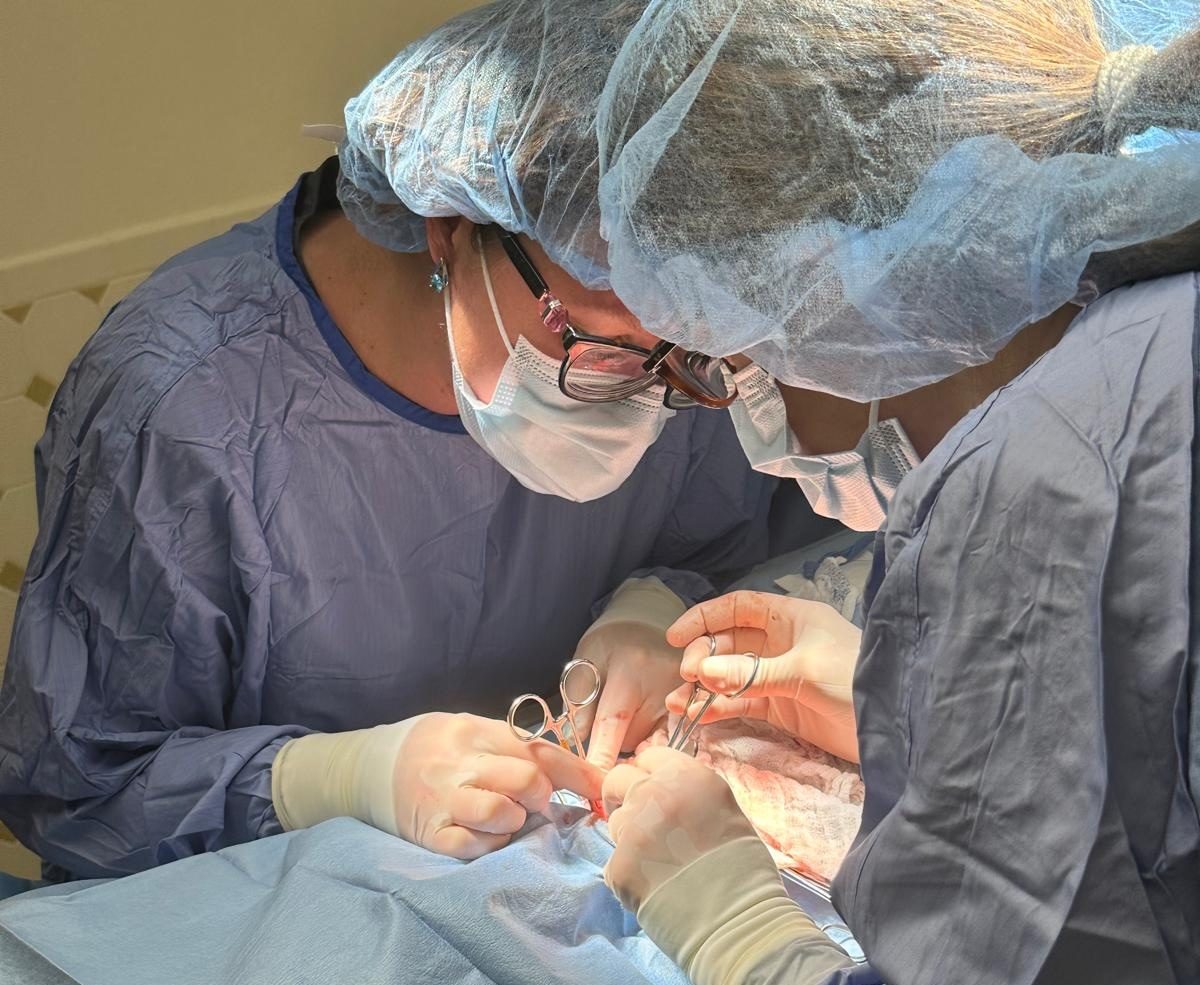
Spaying and neutering are the most common surgeries we perform, which is exactly why they deserve to be done properly rather than quickly. Every patient gets pre-operative bloodwork, an ECG screening and a physical examination, intravenous access, a dedicated person monitoring them throughout, and a pain plan made before the first incision. We also offer hormone-sparing alternatives — vasectomy and ovary-sparing spay — for owners who want the sterilisation without removing the gonads.
The timing question, answered honestly
The old advice — six months, every dog, no exceptions — has not held up. Evidence now suggests that for some breeds, particularly larger ones, waiting until skeletal maturity may reduce the risk of certain orthopedic problems and cancers. For others, earlier remains appropriate.
It is a genuine trade-off rather than a single right answer, and it depends on breed, size, sex, temperament and your household. We will walk you through what is known and what is still uncertain, and then it is your decision, made with information rather than a default.
For cats the picture is simpler and the case for earlier surgery is stronger, largely because of unwanted litters and the behaviors that come with an intact tom.
Hormone-sparing alternatives: vasectomy and ovary-sparing spay
Traditional spay and neuter surgeries sterilize the animal and remove the source of their sex hormones at the same time. For owners who want reliable sterilisation but would prefer to leave those hormones in place, we offer two alternatives that separate the two.
A vasectomy sterilizes a male dog by interrupting the vas deferens while leaving the testicles in place, so he keeps his hormones. An ovary-sparing spay — sometimes called a hysterectomy — removes the uterus while leaving one or both ovaries, so a female is sterilized and cannot develop pyometra of the uterine body, but continues to cycle hormonally. She will still show seasons, which is worth knowing before you choose it.
These are not automatically better than a conventional spay or neuter, and they are not right for every household. They are a genuine option worth discussing, particularly for large-breed dogs where hormone timing and orthopedic development are part of the conversation.
What the surgery involves
A spay removes the ovaries and usually the uterus; a neuter removes the testicles. Both are performed under general anesthesia with the monitoring described above, and both are day procedures — most patients go home the same afternoon.
You will go home with a written recovery plan: what medication to give and when, what normal recovery looks like, activity restriction for roughly ten to fourteen days while the incision heals, and the specific signs that mean call us rather than wait.
What it prevents
Beyond unwanted litters, spaying eliminates pyometra — a uterine infection that is common in older unspayed females and genuinely life-threatening — and substantially reduces mammary tumour risk when done before later seasons. Neutering removes the risk of testicular cancer and reduces prostate disease.
We are not going to fear-market this at you. These are real benefits with real trade-offs on timing, and the conversation is worth having properly.
Common questions
What age should my dog be spayed or neutered?
There is no longer one recommended age for every dog. For some breeds, particularly larger ones, waiting until skeletal maturity may reduce certain orthopedic and cancer risks; for others earlier surgery remains appropriate. Breed, size, sex and household all matter, and it is worth discussing rather than defaulting to six months.
Is spay or neuter surgery safe?
These are among the most commonly performed veterinary surgeries and are very safe for the great majority of patients. Risk is managed with pre-anesthetic blood work, intravenous access, and continuous monitoring of heart rate, blood pressure, oxygenation and temperature by a dedicated team member throughout the procedure and recovery.
How long is recovery after a spay or neuter?
Most patients go home the same day and need roughly ten to fourteen days of restricted activity while the incision heals. You will receive a written recovery plan covering medication, what normal healing looks like, and the signs that warrant a call.
Do you offer vasectomy or ovary-sparing spay?
Yes, we offer both. A vasectomy sterilizes a male dog while leaving the testicles and his hormones in place. An ovary-sparing spay, or hysterectomy, removes the uterus while leaving ovarian tissue, so a female is sterilized but continues to cycle — meaning she will still show seasons. Both are worth discussing against a conventional spay or neuter, since each involves real trade-offs.
Do you serve clients from Buffalo for spay and neuter?
Yes. We are in Williamsville, a short drive from Buffalo, and see patients from across Western New York. Call 716.936.8387 or request an appointment online.
References & further reading
The guidance on this page follows current veterinary consensus. These are the sources behind it, if you would like to read further.