
The years with a senior pet are often the closest ones. Our aim is to keep them comfortable and themselves for as long as that is genuinely possible — and to be honest with you when it is not. Every step, every generation includes this part too.

Twice a year, not once
Senior pets do better on a six-monthly schedule. A year is a long time in an ageing body, and kidney disease, arthritis, dental disease, thyroid disorders, heart disease, and cognitive decline all develop gradually enough to be missed between annual visits — and all respond better to early intervention.
Bloodwork and blood pressure at these visits are not routine box-ticking. They are how we find the things that are still quiet.
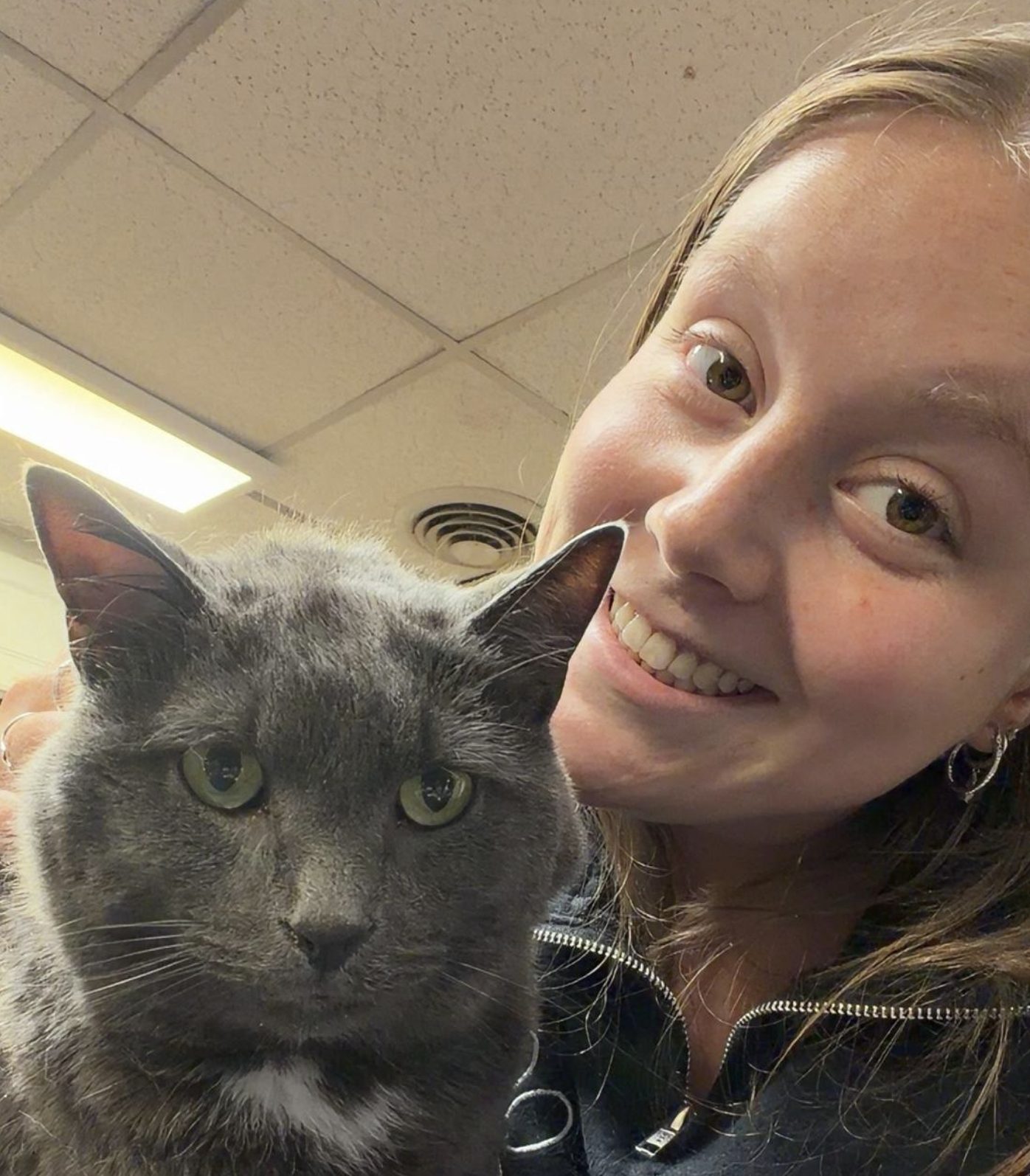
"He is just getting old" is usually arthritis
Slowing down, stiffness after rest, hesitating at stairs, no longer jumping onto the sofa, sleeping more — these are almost always read as ageing. Very often they are osteoarthritis, which is common, painful, and treatable.
Cats are especially good at hiding it, because they compensate by simply doing less. A cat who has stopped jumping to a favourite high perch is telling you something worth investigating.

Quality of life, discussed early
We would rather have the quality-of-life conversation early and calmly than in a crisis. That means talking honestly about what your pet still enjoys, what has become difficult, and what we can realistically change — and giving you a way to track it at home rather than trying to judge from a single hard day. There is a quality-of-life questionnaire further down this page you can work through and repeat over time.
When the time does come, you will not be guessing alone. We meet you where you are on this, without judgment.
Common questions
When is a pet considered senior?
It depends largely on size. Giant breed dogs may be senior by five or six, large breeds around seven, and small breeds closer to ten. Cats are generally considered senior from about eleven. Size and breed matter more than a single number.
How often should a senior pet see the vet?
Every six months. Ageing bodies change quickly, and conditions such as kidney disease, arthritis, thyroid disorders, and heart disease develop gradually enough to be missed across a twelve-month gap while responding considerably better to early intervention.
How can I tell if my older pet is in pain?
Look for stiffness after rest, reluctance on stairs, no longer jumping onto furniture, sleeping more, irritability when handled, or reduced interest in play and walks. These are frequently attributed to normal ageing when they are in fact osteoarthritis, which is treatable.
How do I know when it is time to say goodbye?
Quality of life is best assessed over time rather than on one difficult day. Consider whether your pet still enjoys food, interaction, and rest without pain, and whether good days outnumber bad. We will talk this through with you honestly and help you track it at home, so the decision is shared rather than one you make alone.
References & further reading
The guidance on this page follows current veterinary consensus. These are the sources behind it, if you would like to read further.